

Collagen Loss: When Does It Start and What Can You Do?
If you’ve ever looked in the mirror and noticed your skin looking a little less firm, a little less plump, or just not quite as youthful as it used to — collagen loss is likely playing a role. It’s one of the most talked-about topics in skin care, but there’s also a lot of confusion about what collagen actually does, when you start losing it, and what you can realistically do about it. Let’s break it down.
What Is Collagen and Why Does It Matter?
Collagen is the most abundant protein in your body, and in your skin, it acts as the structural framework that keeps everything looking firm, smooth, and supported. Think of it like the scaffolding beneath the surface — when it’s strong and plentiful, your skin looks lifted and resilient. When it starts to break down, that scaffolding weakens, and the visible signs of aging begin to appear.
Beyond firmness, collagen also works alongside elastin to give your skin its ability to bounce back. It helps maintain skin thickness, supports wound healing, and contributes to that overall plumpness and glow that we often associate with healthy, youthful skin.
When Does Collagen Loss Begin?
Here’s the part that surprises most people: collagen loss starts earlier than you’d expect. In fact, your body begins producing less collagen in your mid-to-late 20s — around age 25 — at a rate of roughly 1% per year. For a while, the loss is gradual enough that you may not notice much of a difference. But by the time you reach your 30s and 40s, the cumulative effect starts to become visible.
For women, collagen loss accelerates significantly around menopause. In the first five years after menopause, women can lose up to 30% of their skin’s collagen. That’s a dramatic shift in a relatively short period of time, and it’s one of the reasons skin changes can feel like they happen so suddenly.
Several factors can speed up collagen breakdown beyond the natural aging process, including sun exposure, smoking, a diet high in sugar and refined carbohydrates, chronic stress, and pollution. This is why two people of the same age can have noticeably different skin — lifestyle and environmental factors play a significant role alongside genetics.
What Are the Signs of Collagen Loss?
Collagen loss shows up in a number of ways, and once you know what to look for, you’ll start to recognize it easily:
- Skin that feels thinner or more fragile than it used to
- Fine lines and wrinkles, especially around the eyes, mouth, and forehead
- Loss of volume and fullness in the cheeks and under the eyes
- Skin that looks or feels looser, particularly along the jawline and neck
- A dull or tired appearance even when you’re well-rested
These changes are all normal parts of aging, but that doesn’t mean you have to accept them without options.
What Can You Do About It?
The good news is that there are effective, proven treatments that can help replenish lost collagen, stimulate new collagen production, and restore a more youthful appearance. At The Skin Clinic, we offer several approaches depending on your specific concerns and goals.
Microneedling
SkinPen microneedling is one of the most effective treatments for stimulating your skin’s natural collagen production. The treatment uses tiny, controlled micro-injuries to trigger your body’s healing response — which means your skin starts producing fresh collagen and elastin on its own. Over a series of treatments, patients typically see improvements in skin texture, firmness, and overall tone. It’s a great option for those who want real, lasting results without relying on injectables.
DiamondGlow Facial
The DiamondGlow facial is a resurfacing treatment that exfoliates, extracts, and infuses the skin with condition-specific serums — all in one step. While it’s not a collagen-building treatment in the same direct way as microneedling, it significantly improves skin health, hydration, and radiance, which helps your skin look and function its best. Think of it as a powerful complement to your collagen-boosting treatments.
Dermal Fillers
When collagen loss leads to visible volume loss — hollowed cheeks, deeper nasolabial folds, or thinning lips — Juvéderm dermal fillers can help restore that lost fullness immediately. Fillers work by replenishing volume beneath the skin’s surface, smoothing out folds and adding back the plumpness that collagen once provided. Some fillers also contain ingredients that support the skin’s own collagen production over time, making them a dual-purpose solution.
Botox
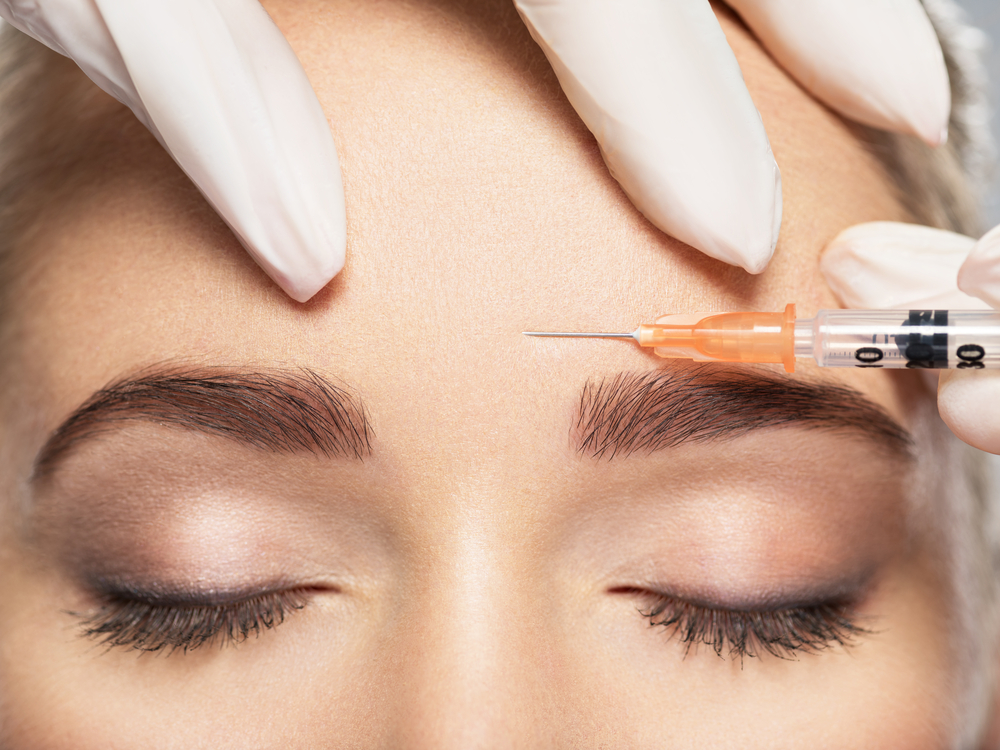
While Botox doesn’t replace collagen directly, it plays an important role in the overall picture of aging. By relaxing the muscles responsible for repetitive facial movements, Botox prevents the deepening of expression lines — the kind that form from years of squinting, frowning, and smiling. When used alongside collagen-stimulating treatments, Botox helps maintain a smoother, more refreshed appearance.
Starting Early Makes a Difference
One of the most valuable things you can do for your skin is start thinking about collagen preservation before the loss becomes significant. That means wearing SPF daily, eating a diet rich in antioxidants and protein, avoiding smoking, and considering preventive treatments in your late 20s or early 30s rather than waiting until the signs are more advanced.
If you’re already noticing the effects of collagen loss, it’s never too late to start. The treatments available today are more effective than ever, and a personalized plan from a physician-led team can make a real difference in how your skin looks and feels.
Ready to Talk About Your Skin?
At The Skin Clinic, our doctors will assess your skin, facial structure, and explain your options, and help you build a treatment plan that fits your goals and your timeline. Whether you’re looking to prevent early signs of aging or address changes that have already appeared, we’re here to help.
Contact us today to schedule a consultation. Your skin is worth investing in.
